Best Brain Supplement for Older Adults: Check Nutrient Gaps First
Quick Answer: What Is the Best Brain Supplement for Older Adults?
In most cases it is whichever nutrient a blood test shows you are genuinely short of, taken at a dose a doctor sets. Correcting a real shortfall such as low vitamin B12 or low vitamin D has a clear rationale behind it, while adding more of a nutrient you already have enough of does nothing measurable for thinking or memory. That is why finding out where you actually stand is more useful than choosing between nine-ingredient formulas on a shelf, and why our companion piece on the vitamins for memory that genuinely have evidence keeps returning to the same point: correcting a real shortfall beats topping up a full tank.
- Most common gap: vitamin B12, because absorption falls with age and with several everyday medicines.
- One blood draw covers a lot: B12, folate, vitamin D, thyroid function and a full blood count.
- Key caveat: topping up above requirement is not the same as filling a deficit.
Why intake and absorption both slip with age
Nutrient shortfalls in later life are rarely the result of carelessness. They accumulate quietly through a set of changes that are entirely ordinary. Appetite tends to shrink, partly through reduced physical activity and partly through changes in the hormones that regulate hunger. Taste and smell become less acute, which makes food less rewarding and pushes people towards simpler, sweeter or saltier choices. Dental problems and dry mouth make some foods, especially meat and raw vegetables, harder work than they used to be.
Practical circumstances matter too. Cooking for one is less motivating than cooking for a household, and bereavement is one of the most common triggers for a diet narrowing to toast and tea. Reduced mobility affects shopping. Tight budgets affect what lands in the trolley, and fresh fish and produce are usually the first casualties.
Then there is absorption, which is where age adds a second layer. Stomach acid production declines in a proportion of older adults, and stomach acid is required to release vitamin B12 from the protein it is bound to in food. Several common long-term medicines compound this. The result is that someone can be eating what looks like an adequate diet and still be running low, which is precisely why measurement matters more here than it does at thirty.
Vitamin B12: the gap most worth knowing about
If only one nutrient is going to be checked, this is the one. Vitamin B12 is needed for red blood cell formation, for the maintenance of the myelin sheath around nerves, and for methylation reactions throughout the body. Deficiency can produce fatigue, pins and needles, unsteadiness, low mood, and problems with memory and concentration that can look convincingly like early cognitive decline.
What makes B12 distinctive is the absorption story. Dietary B12 must be released from food protein by stomach acid, then bound to intrinsic factor, then absorbed in the last part of the small intestine. Age-related reduction in stomach acid interferes with the first step. Long-term use of proton pump inhibitors for reflux does the same. Metformin, one of the most widely prescribed medicines for type 2 diabetes, is associated with lower B12 levels over time. Autoimmune conditions affecting intrinsic factor, and surgery involving the stomach or ileum, interfere further down the chain. A 2026 review in Current Opinion in Clinical Nutrition and Metabolic Care sets out how often low B12 in older adults travels with the other geriatric syndromes rather than appearing on its own.
The encouraging part is that this is a checkable, correctable problem. A serum B12 test is inexpensive and routine, and where results are borderline a doctor may add methylmalonic acid or homocysteine to clarify the picture. Correction may be oral or by injection depending on the cause, which is exactly why this belongs with a clinician rather than with a shelf. Notably, supplemental B12 is absorbed differently from food-bound B12, which is why people with absorption problems can often be treated with tablets at all.
Once you know what is missing
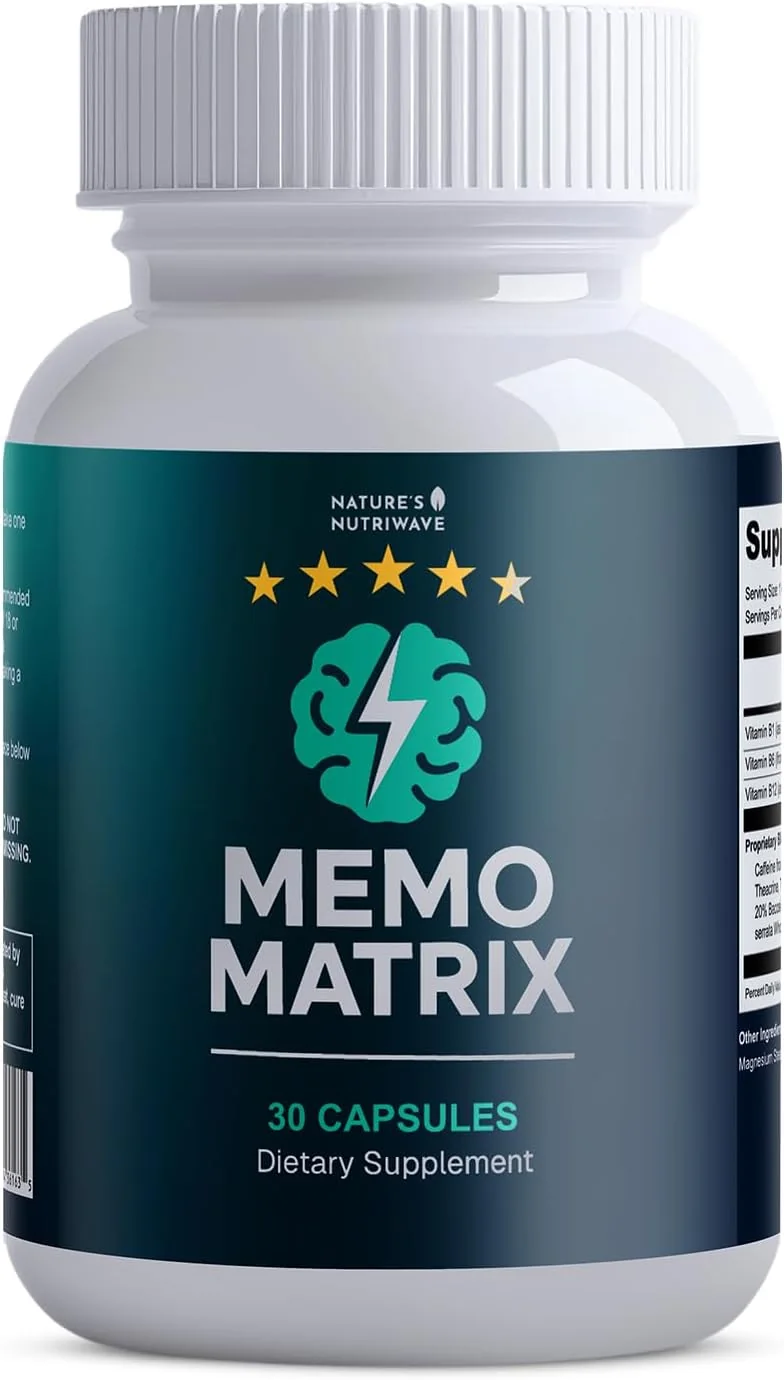
If a daily formula still makes sense for you after that, judge it on its label. Anyone comparing where to buy brain supplements should be able to see every ingredient and amount before deciding.
See the Memo Matrix LabelVitamin D, folate and vitamin B6
Vitamin D is the second gap worth checking, largely for reasons that have nothing to do with diet. It is made in skin exposed to sunlight, and the amount produced falls with age as skin becomes less efficient at the conversion. Anyone spending most of the day indoors, living at higher latitudes, covering up for cultural or medical reasons, or with darker skin at those latitudes has additional reason to check. Its established role is in bone health, calcium regulation and muscle function, which matters enormously for fall risk. Claims about vitamin D and cognition specifically are considerably weaker than claims about bones, and it is worth being clear about that distinction.
Folate and vitamin B6 sit alongside B12 in the pathway that clears homocysteine from the blood. Raised homocysteine has been associated with poorer cognitive outcomes in observational research, and trials of B vitamin combinations in people with raised levels have produced some interesting but not conclusive results. This is an area where the honest summary is that the biology is plausible, the observational associations are real, and the intervention data has not settled the question. The nearest thing to an exception is the COSMOS-Web randomised trial (American Journal of Clinical Nutrition, 2023), where a daily multivitamin produced a small improvement in memory in older adults — small being the operative word.
One practical caution belongs here. High-dose folic acid can normalise the blood picture of B12 deficiency while the neurological damage continues underneath. That is a specific reason not to self-prescribe a high-dose B complex when B12 status is unknown, and a good example of why the sequence in this article is testing first. The VITACOG randomised controlled trial (PLoS One, 2010) is the clearest illustration: the benefit of B vitamins on brain atrophy appeared in people whose homocysteine was raised to begin with.
The nutrients most often short with age, and how each is checked
The table summarises where each nutrient tends to slip, whether a standard test exists, and how much weight the cognitive evidence can carry.
| Nutrient | Why it slips with age | How status is checked | Evidence strength for cognition |
|---|---|---|---|
| Vitamin B12 | Reduced stomach acid; metformin and acid-reducing medicines | Serum B12, with methylmalonic acid or homocysteine if borderline | Strong where deficiency exists; none where levels are adequate |
| Vitamin D | Less skin synthesis, less outdoor time | Serum 25-hydroxyvitamin D | Weak for cognition; well established for bone and muscle |
| Folate | Fewer vegetables and legumes; some medicines | Serum or red cell folate | Limited; mostly studied alongside B12 and B6 |
| Vitamin B6 | Lower intake and altered metabolism | Plasma pyridoxal 5-phosphate, less routinely ordered | Limited; high long-term doses carry nerve risks |
| Omega-3 (EPA/DHA) | Less fish eaten; cost and preparation | No routine clinical test; estimated from diet | Moderate at best, clearest where intake was very low |
| Magnesium | Reduced intake and absorption; some diuretics | Serum magnesium is a poor marker of body stores | Weak for cognition specifically |
| Zinc | Less meat and seafood; absorption changes | Serum zinc, interpreted with caution | Weak; more relevant to taste, appetite and immunity |
Filling a hole and adding to a full glass are not the same action. Almost all of the credible benefit in this category comes from the first, and almost all of the marketing describes the second.
Why testing beats guessing at a multi-ingredient formula
The commercial answer to age-related nutrient concern is a formula containing twenty things at once, on the theory that something in there will be the thing you needed. Marketed as the best brain supplement for older adults, that approach has four practical problems.
Dilution. Fitting many ingredients into one capsule usually means small amounts of most of them. If you were genuinely deficient in something, a token amount of it may not be enough to correct the deficit, while the rest of the panel does nothing at all.
Masking. As noted above, folic acid can obscure a B12 problem. A broad formula can make a picture harder to interpret rather than easier, especially if a blood test happens later.
No feedback. If you take a blend and feel slightly better, you have learned nothing about why. If you correct a measured B12 level and feel better, you have learned something specific and you can check it again in a few months.
Missed alternatives. The most valuable outcome of a proper check is often not a supplement at all. Thyroid dysfunction, anaemia, poorly controlled diabetes, sleep apnoea, depression, hearing loss and medication side effects all produce symptoms that get attributed to ageing, and every one of them has a real response available. Someone searching for the best brain health supplement for seniors and finding an underactive thyroid instead has had a very good day.

What this cannot do: the honest limits
Correcting a deficiency is worth doing on its own terms, but it is not a cognitive intervention with guaranteed results. Some people feel clearly better once a genuine shortfall is fixed. Others feel no different, because the shortfall was not what was causing the symptom. Both outcomes are common, and any page promising the first is overselling.
No supplement treats, cures, prevents or reverses dementia, and no nutrient status test diagnoses one. Persistent memory change, disorientation, difficulty with familiar tasks or personality change all warrant proper medical assessment. Reaching for a capsule instead of an appointment is the one genuinely costly mistake available in this whole category, and it is the main reason so many people end up concluding that memory pills do not work when the real problem was never in the bottle.
Nor does more become better once a gap is closed. Several nutrients have real upper limits: long-term high-dose vitamin B6 has been associated with nerve damage, excess zinc interferes with copper, high-dose vitamin D can raise calcium levels, and high-dose omega-3 has bleeding implications. These are not hypothetical risks, and they are the reason for dosing to a measurement rather than to a hunch.
Finally, none of this competes with the well-established basics. Physical activity, blood pressure and blood sugar control, hearing aids where hearing has declined, treating sleep disorders, maintaining social contact and not smoking all carry more evidence for cognitive ageing than any capsule. Supplements sit on top of that, and they sit there quietly.
Where a nootropic formula fits after the gaps are covered
Once nutrition is established, a daily nootropic is a different kind of question. Ingredients such as Bacopa monnieri, Rhodiola and L-tyrosine are not there to correct a deficiency; they are there because of what trials suggest about learning, stress performance and recall. The evidence behind them is real but modest, slow to appear and generally weaker in healthy well-nourished adults than the marketing implies, and our page on what is actually in Memo Matrix sets out each ingredient with the state of its research rather than a claim.
Two practical points matter for this age group specifically. The first is stimulant content: formulas of this type often contain caffeine, which interacts with sleep, blood pressure, tremor and heart rhythm in ways that matter more in later life. The second is how the product fits into a routine that may already be full, which is worth thinking through before ordering several months of anything, and we have set that out in detail in our guide to pill burden and choosing a simple format for older adults. In practice the best brain supplement for older adults is the one that matches a measured need, fits the existing routine and clears the pharmacist, and anyone weighing the best brain supplement for memory and focus at this stage of life should be checking those things as carefully as the ingredient list.
Medical note: this article is general information, not medical advice. Do not start high-dose vitamin supplementation on the basis of a web page, and do not take a B complex to address suspected B12 deficiency without testing, because folic acid can mask it. Speak to a doctor or pharmacist, particularly if you take metformin, acid-reducing medicines, blood thinners or diuretics.
Frequently asked questions
What is the best brain supplement for older adults?
In most cases it is whichever nutrient a blood test shows you are actually low in, taken at a dose your doctor sets. Correcting a real shortfall such as low vitamin B12 or low vitamin D has a clear rationale behind it, whereas topping up a nutrient you already have enough of does nothing for cognition. That is why measuring status first is more useful than choosing between multi-ingredient formulas.
Which nutrient gaps become more common with age?
Vitamin B12 is the standout, because absorption declines with age and is further reduced by common medicines such as metformin and long-term acid-reducing drugs. Vitamin D is widely low where sun exposure and outdoor time are limited. Folate, vitamin B6, magnesium, zinc and long-chain omega-3 intake can also fall when appetite shrinks, taste changes, cooking becomes harder or meat and fish are eaten less often.
Is it worth getting tested before buying a supplement?
Usually yes, and it is often simpler than people expect. A doctor can request vitamin B12, folate, vitamin D, thyroid function and a full blood count from a single blood draw, which covers the most common and most correctable causes of tiredness and foggy thinking. Testing turns a guess into a decision, and it also catches problems that no supplement would have addressed.
Can correcting a vitamin deficiency restore memory?
Sometimes symptoms improve when a genuine deficiency is corrected, and sometimes they do not, which is why this is a medical question rather than a shopping one. What can be said plainly is that a supplement is not a treatment for dementia or any other diagnosed condition. Any noticeable change in memory or thinking should be assessed by a clinician rather than managed with a purchase.
Scientific references
- National Institute on Aging (NIH) — Vitamins and minerals for older adults
- NIH Office of Dietary Supplements — Vitamin B12: consumer fact sheet
- NIH Office of Dietary Supplements — Vitamin D fact sheet for health professionals
- Harvard T.H. Chan School of Public Health — The Nutrition Source: Vitamin B12
- Smith A.D. et al. — Homocysteine-lowering by B vitamins slows the rate of accelerated brain atrophy in mild cognitive impairment: a randomized controlled trial, PLoS One (2010)
- Papazachariou A. et al. — Vitamin B12 deficiency among older adults and its associations with geriatric syndromes, Current Opinion in Clinical Nutrition and Metabolic Care (2026)
- Yeung L.K. et al. — Multivitamin supplementation improves memory in older adults: a randomized clinical trial, American Journal of Clinical Nutrition (2023)
A label you can check against the research
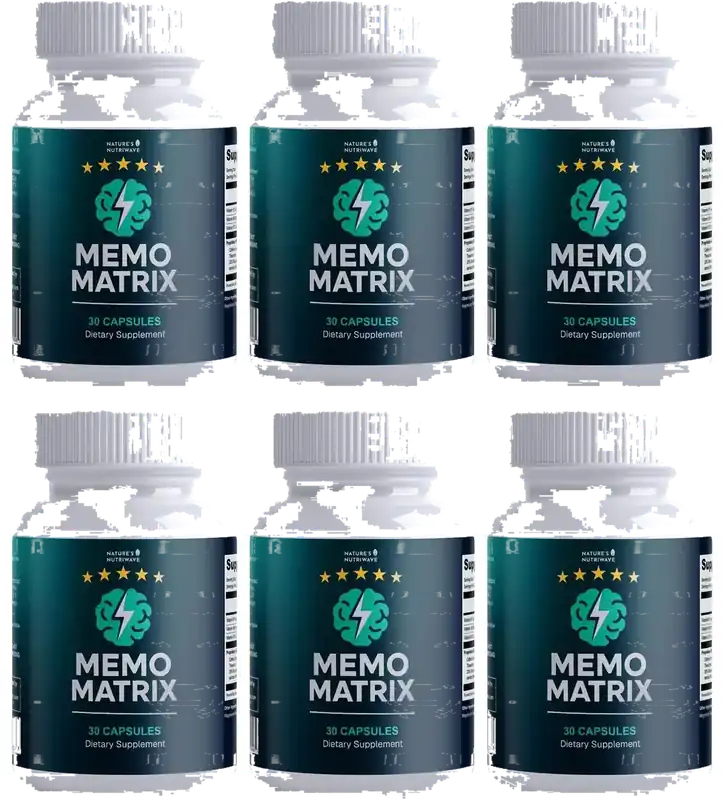
Bacopa, Rhodiola, L-tyrosine and Huperzine-A with a green-coffee energy blend, published openly so you can compare every amount with what the studies used.
View Memo Matrix Options