Vitamins for Memory That Actually Work
Which vitamins for memory actually work?
The vitamins for memory with real evidence are the ones that fix a shortfall rather than add a surplus. Vitamin B12 and folate matter most because a deficiency in either can mimic memory decline. Omega-3 DHA supports brain-cell membranes, and vitamin D receptors sit in memory regions. Correct a real gap first, then build from there.
- Fix first: B12 and folate, because a deficiency can look exactly like fading memory.
- Structural support: omega-3 DHA for the fatty membranes brain cells are built from.
- Often low: vitamin D, whose receptors sit in memory-related brain regions.
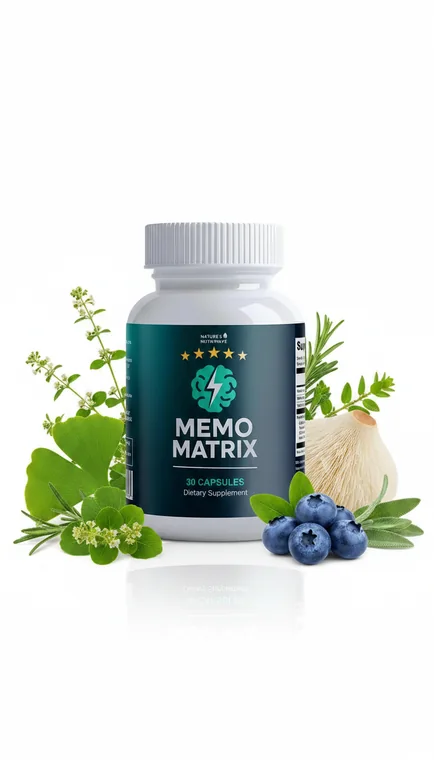
Search for vitamins for memory and you will drown in bottles promising a sharper mind by Friday. Most of that promise is marketing. The genuinely useful truth is narrower, more boring and far more valuable: a handful of vitamins and nutrients have real human evidence behind them, and they help most precisely when your body is short of them. If you are already well-nourished, an extra dose does very little. If you have a quiet deficiency, correcting it can feel like a fog lifting. Knowing which situation you are in is the entire game.
This article walks through the vitamins for memory that hold up when you read the research rather than the label, in the order a careful clinician would think about them. We will start with the deficiencies worth ruling out, move to the structural nutrients your brain is physically built from, and finish by explaining why foundational vitamins and a studied memory formula are two different tools for two different jobs, not competitors fighting over the same shelf.
Start where the evidence is strongest: correct a deficiency before you chase a benefit
The single highest-value move in the whole category of vitamins for memory is unglamorous. It is to find out whether you are actually low in anything. Vitamin B12 is the headline example and deserves its reputation. B12 is essential for making the myelin that insulates nerves and for the chemistry of neurotransmitters, and a genuine deficiency can produce forgetfulness, mental fog, low mood and confusion that look unnervingly like early cognitive decline. The important part is that, caught in time, much of that is reversible once B12 is restored. That is why a good doctor investigating a memory complaint often reaches for a simple blood test before reaching for any conclusion. The VITACOG randomised controlled trial (PLoS One, 2010) went further and found that lowering homocysteine with B vitamins slowed the rate of brain atrophy in people with mild cognitive impairment and raised homocysteine.
Deficiency is also more common than people assume, and not only among vegans and vegetarians who get little B12 from food. Absorption is the sticking point. Dietary B12 has to be freed from food protein by stomach acid, bound to a carrier called intrinsic factor, and taken up in the last stretch of the small intestine. Age lowers stomach acid. Long-term use of reflux medication does the same. Metformin, one of the most prescribed diabetes drugs, is associated with lower B12 over time. Each of those quietly raises the odds that the memory nutrient you most need is the one you are absorbing least.
Folate, the B vitamin found in leafy greens and legumes, belongs in the same conversation because it works hand in hand with B12. The two together help keep homocysteine, an amino acid linked in observational studies to poorer cognitive ageing, in a healthy range. A folate deficiency can cause overlapping symptoms, and topping up folate without checking B12 can even mask a B12 problem, which is a good reason to correct these two as a pair and under guidance rather than by guesswork. This is the part of the field where vitamins for memory come closest to earning the word "work" outright, because you are repairing a real, measurable shortfall rather than hoping for a boost.
Omega-3 DHA: the structural fat your brain-cell membranes are built from
Not everything useful for memory is a vitamin in the strict sense, and the most important non-vitamin is omega-3 DHA. DHA is a long-chain fatty acid that is physically incorporated into the membranes of your neurons. Grey matter is remarkably fat-rich, and DHA is one of the fats it is built from, which is why it dominates discussion of membrane fluidity, cell signalling and long-term brain health. If B12 and folate are about keeping the wiring functional, DHA is about the fabric of the cells themselves — and it is also the nutrient at the centre of the omega-3 and curcumin case for calming brain inflammation, where the marketing runs a long way ahead of the measurements.
The practical catch is that most people who do not regularly eat oily fish run low on DHA, and the plant-based omega-3 called ALA, found in flax and chia, converts into DHA only poorly in the human body. That makes marine or algal sources the ones the research is actually built on. When you read a fish oil label, look past the total oil figure and find the indented milligrams of EPA and DHA, because a 1000 mg capsule often supplies only a few hundred milligrams of the actives that matter. Cognition and mood trials have generally used combined intakes in the region of one to two grams a day, which is several standard capsules, not one.
DHA will not turn an average memory into a photographic one, and honest evidence shows its clearest cognitive signal in people whose intake started low. But as a foundational nutrient that your brain is literally constructed from, it has a stronger structural rationale than almost anything sold as a stand-alone "brain vitamin," and it pairs naturally with the deficiency corrections above rather than competing with them.
Vitamin D: receptors sit in the brain's memory regions
Vitamin D earns its place on this list for two reasons. The first is biological plausibility: vitamin D receptors are distributed through the brain, including regions such as the hippocampus that are central to forming and retrieving memories, and vitamin D is involved in processes that keep neurons healthy. The second is sheer prevalence. Vitamin D insufficiency is one of the most common nutrient shortfalls in the developed world, driven by indoor lifestyles, higher latitudes, sunscreen use and darker skin tones that make less vitamin D from the same sunlight.
Observational research has repeatedly linked low vitamin D status with poorer cognitive performance and faster decline, though it is worth being straight about the limits: association is not proof, and large trials of high-dose supplementation in already-replete people have not delivered dramatic cognitive gains. As with the rest of this list, the theme repeats. Vitamin D looks most useful for memory when it corrects a genuine insufficiency, which happens to be a very common situation, and least useful as a megadose bolted onto an already-normal level.
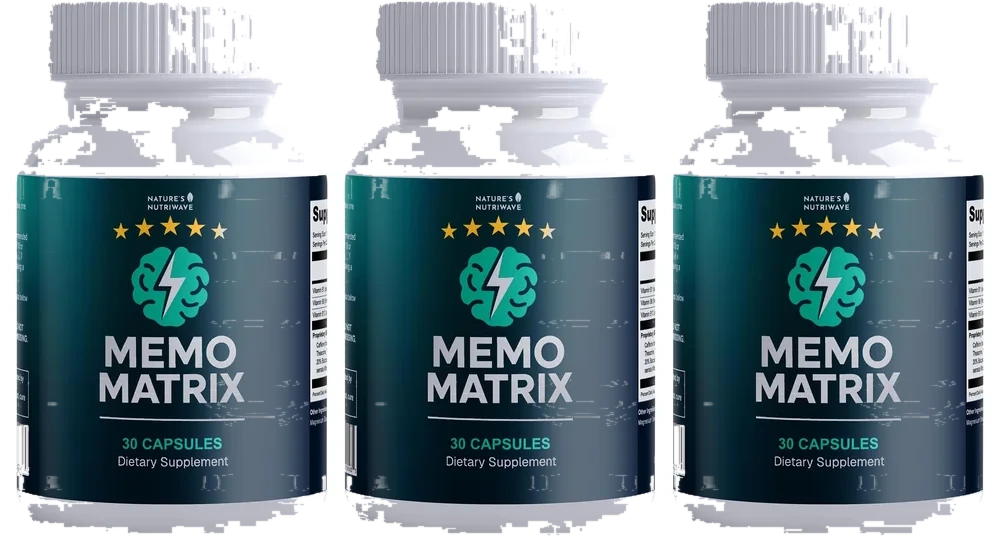
Want your foundational nutrients and studied nootropics in one disclosed label?
Rather than juggling four bottles and guessing at a proprietary blend, start with a formula that publishes every ingredient and amount. Memo Matrix lists exactly what is inside.
Check Availability & OptionsThe vitamins that get oversold, and the myths worth retiring
Three beliefs quietly waste money and attention in this category, and naming them makes the sensible ones easier to trust.
Myth one: a generic multivitamin covers your brain. A standard multivitamin is a reasonable insurance policy against broad shortfalls, and there is nothing wrong with taking one. What it is not is a targeted memory intervention. The amounts of B12, DHA and vitamin D in a one-a-day are often modest, DHA is frequently absent entirely because it is expensive, and the doses rarely match those used in the cognition research. Treating a multivitamin as a memory strategy is treating an umbrella as a raincoat. The honest caveat is that a randomised trial in the American Journal of Clinical Nutrition (2023) did find a small memory benefit from a daily multivitamin in older adults — real, replicated within its own programme, and modest.
Myth two: if some is good, more is better. Water-soluble vitamins like the B group are largely excreted when you take more than you can use, so megadoses mostly produce expensive urine. Fat-soluble vitamins are the opposite problem: vitamin D can accumulate and cause harm at genuinely high intakes, which is why "flooding" your system is a bad instinct. The goal with vitamins for memory is sufficiency, not saturation. Once a level is normal, pushing it higher tends to add risk, not benefit.
Myth three: exotic beats foundational. Marketing gravitates to novel, hard-to-pronounce botanicals because they sound like a secret. But the nutrients with the most robust link to memory are the dull, well-studied ones on this page. A bottle boasting a dozen rare extracts at token amounts is usually less useful than adequate B12, real DHA and corrected vitamin D. Novelty is a marketing asset, not a scientific one.
How the leading memory nutrients compare on evidence and gap risk
The table summarises where each nutrient sits. "Evidence strength" refers to controlled human research on cognition, and "gap risk" to how commonly people run short.
| Nutrient | Why it matters for memory | How common is a shortfall | Evidence strength |
|---|---|---|---|
| Vitamin B12 | Nerve insulation and neurotransmitter chemistry; deficiency mimics decline | Common with age, reflux medication, metformin, plant-based diets | Strong for correcting a deficiency |
| Folate | Works with B12; helps manage homocysteine | Moderate; lower with poor vegetable intake | Strong when deficient, best assessed with B12 |
| Omega-3 DHA | Structural fat of neuronal membranes | Common in people who rarely eat oily fish | Moderate; clearest when baseline intake is low |
| Vitamin D | Receptors in memory regions; supports neuronal health | Very common, especially at higher latitudes | Moderate; best correcting insufficiency |
| Standard multivitamin | Broad low-dose insurance | N/A | Weak as a targeted memory tool |
The recurring lesson in vitamins for memory is simple: nutrients repay you for filling a gap, not for creating a surplus. Test what you can, correct what is low, and stop expecting a normal level to reward you twice.
Where diet gaps matter most, and why food comes first
It is tempting to skip straight to capsules, but the strongest long-term evidence for brain health sits with dietary patterns, not pills. Diets built around oily fish, leafy greens, olive oil, nuts, legumes and vegetables consistently outperform any single supplement in observational research, partly because they deliver these nutrients together, in forms the body is used to handling, alongside fibre and plant compounds a capsule cannot replicate. A supplement is a reasonable way to close a defined gap. It is a poor way to paper over a diet that leaves many gaps at once.
That said, real life produces predictable gaps, and knowing yours helps you spend wisely. If you eat little or no oily fish, your DHA is a likely shortfall. If you live somewhere with long, dark winters or spend your days indoors, vitamin D is a strong candidate. If you are older, take long-term reflux medication or metformin, or follow a plant-based diet, B12 deserves attention. These are the situations where vitamins for memory move from wishful to worthwhile, because they are correcting something specific rather than chasing a vague upgrade.
From single vitamins to a complete memory formula
Once your foundations are in order, a fair question follows: is there anything left for a dedicated memory formula to do? There is, because foundational vitamins and classic nootropics answer different questions. Vitamins fix nutritional shortfalls that can drag cognition down. Studied nootropic actives aim to support day-to-day learning, stress performance and recall on their own timescale. The two work in different lanes, which is why the most sensible approach pairs foundational nutrients with well-researched actives rather than relying on vitamins alone.
Two actives stand out for having actual human data behind them. Bacopa monnieri is a herb studied over multi-week courses for effects on memory acquisition and recall, working gradually rather than instantly. Citicoline is a choline source involved in the synthesis of acetylcholine and in membrane maintenance, with trials pointing to support for attention and processing. We look at the trial data for the herbal side of that pairing in our review of what the research shows for Bacopa monnieri and Huperzine-A, and it is a useful counterpoint to the single-vitamin approach.
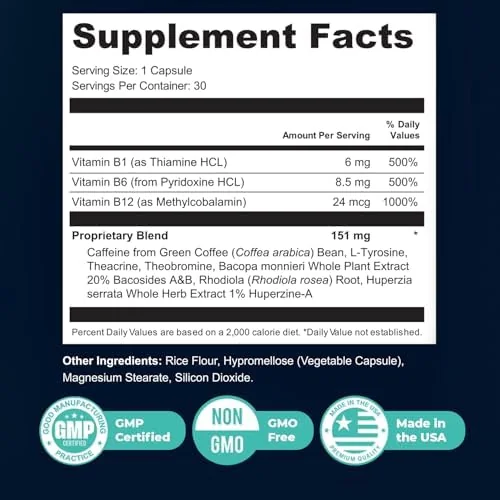
A well-built memory supplement is one that respects both halves: it does not pretend a botanical replaces a corrected B12 level, and it does not bury its doses in a proprietary blend you cannot check. If you want to see how a disclosed formula lays out its actives and amounts before deciding what belongs in your own routine, the full ingredient breakdown on our Memo Matrix page puts each component and the state of its evidence in plain view, including where that evidence is still thin.
Medical note: this article is general information, not medical advice. Ask a healthcare professional before starting any supplement, and ask specifically about testing for B12, folate and vitamin D if you have memory concerns, take reflux medication or metformin, follow a plant-based diet, or are pregnant or nursing. Do not self-treat a memory complaint with high-dose vitamins.
Related reading
Frequently asked questions
Which vitamins are best for memory?
The vitamins with the strongest evidence for memory are the ones that fix a shortfall rather than add a surplus. Vitamin B12 and folate top the list because a deficiency in either can mimic memory decline. Omega-3 DHA supports the fatty membranes of brain cells, and vitamin D matters because its receptors sit in memory-related regions of the brain. None of them sharpens a well-nourished mind on its own, but correcting a real gap can produce a genuine, noticeable difference.
Can vitamin deficiencies cause memory problems?
Yes. Low vitamin B12 is the clearest example, because a deficiency can produce forgetfulness, mental fog and confusion that look like early cognitive decline but often improve once B12 is restored. Folate deficiency can cause similar problems, partly because folate and B12 work together. This is exactly why a clinician will usually check simple blood levels before assuming a memory complaint is permanent, and why correcting a deficiency is the highest-value step you can take.
Do memory vitamins work without a healthy diet?
They help most when they close a specific gap that diet has left open, and least when they are used as a substitute for eating well. A capsule cannot reproduce the mix of nutrients, fibre and plant compounds in a diet rich in oily fish, leafy greens, nuts and vegetables. The sensible order is to eat a brain-friendly pattern first, identify the gaps that remain, and use targeted vitamins to fill those, rather than expecting a pill to carry a poor diet.
Should I take vitamins or a full memory supplement?
It depends on the question you are answering. If a blood test shows you are low in B12, folate or vitamin D, correcting that single deficiency is the priority. If your foundational nutrition is already sound and you want day-to-day support for focus and recall, a formula that pairs those foundational nutrients with studied nootropics such as bacopa and citicoline addresses a different need. The two approaches are complementary, not rivals, and the label should disclose every amount either way.
Scientific references
- NIH Office of Dietary Supplements — Vitamin B12 fact sheet for health professionals
- NIH Office of Dietary Supplements — Folate fact sheet for health professionals
- NIH Office of Dietary Supplements — Omega-3 Fatty Acids fact sheet
- NIH Office of Dietary Supplements — Vitamin D fact sheet for health professionals
- NIH NCCIH — Cognitive function, dementia and dietary supplements
- Yeung L.K. et al. — Multivitamin supplementation improves memory in older adults: a randomized clinical trial, American Journal of Clinical Nutrition (2023)
- Smith A.D. et al. — Homocysteine-lowering by B vitamins slows the rate of accelerated brain atrophy in mild cognitive impairment: a randomized controlled trial, PLoS One (2010)
- Barros M.I. et al. — Omega-3 polyunsaturated fatty acids and cognitive decline in adults with non-dementia or mild cognitive impairment: an overview of systematic reviews, Nutrients (2025)
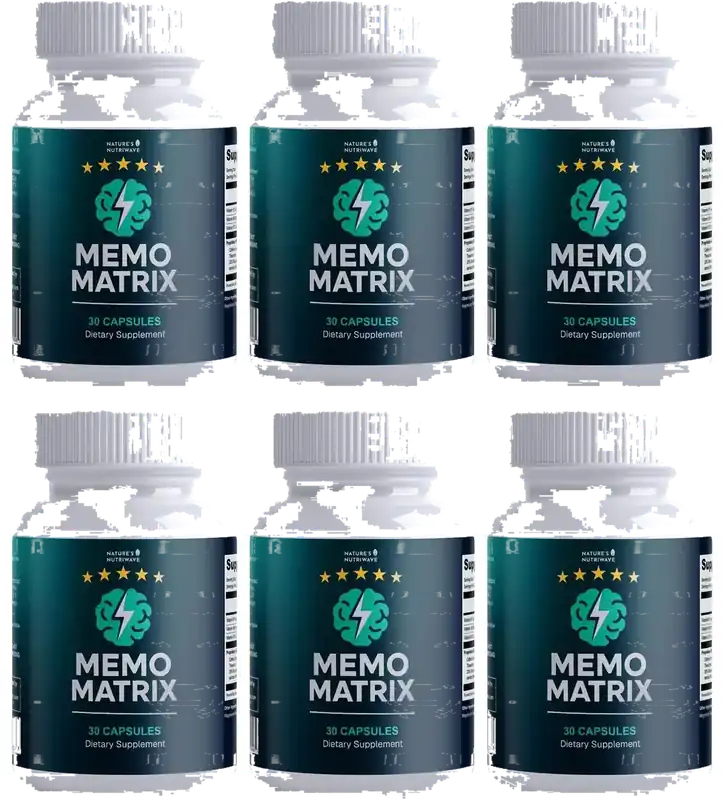
See what a disclosed memory formula looks like
Bacopa, Rhodiola, L-tyrosine and Huperzine-A with a green-coffee energy blend, every ingredient and amount published rather than buried in a blend.
View Memo Matrix Options