Memory Pills: Do They Really Work?
Quick Answer: Do Memory Pills Really Work?
Some do, modestly, and only a few. A handful of memory pill ingredients have human trial support, led by bacopa monnieri, but the effects are gradual and subtle rather than dramatic. Far more products rest on marketing than on evidence. No memory pill treats or cures memory loss.
- Best-evidenced ingredient: bacopa monnieri, with 8–12 weeks of consistent daily use.
- Biggest red flag: instant-results promises and undosed proprietary blends.
- Key caveat: support for healthy memory, not a treatment for any disease.
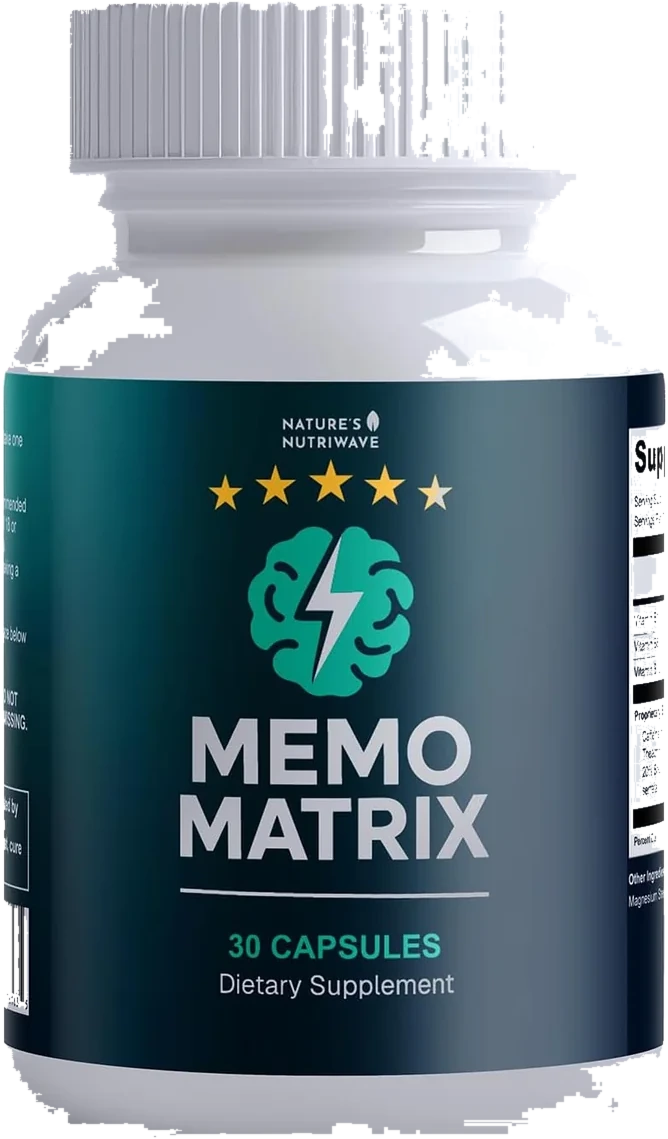
You forget a name mid-sentence, walk into a room and lose the reason you came, or reread the same paragraph three times before it sticks. Somewhere between the third coffee and the fourth open browser tab, a question forms: do memory pills really work? It is a fair question, and the honest answer is more interesting than either the glossy sales pages or the blanket skeptics will admit. A small number of memory pills rest on real human research. A far larger number rest on clever marketing. This guide shows you how to tell the two apart, so you spend money on evidence rather than on hope.
Do memory pills actually work? The honest answer
Start with the disappointing part, because it is the part that protects your wallet. The supplement aisle is not regulated the way medicines are. A product can be sold with almost any name, a confident label and a photograph of a glowing brain, without a single trial ever having been run on the finished formula. So "do memory pills work?" cannot be answered for the category as a whole — only ingredient by ingredient, dose by dose.
When you do that, a more encouraging picture appears. A short list of compounds has been put through randomised, placebo-controlled trials in humans, and a few of them do move the needle on specific, measurable aspects of memory. The effects are real, but they are moderate. Nobody in these studies turned into a savant. What the better trials show is a modest improvement in acquiring and retaining new information, appearing slowly and only with consistent use — a genuine result, and several universes away from the "unlock your brain's hidden potential overnight" language that sells so many bottles.
So the useful framing is not "do memory pills work, yes or no." It is "which memory pills contain evidence-backed ingredients, at the doses the studies used, described honestly?" Get that question right and you have avoided most of the market.
Which memory pill ingredients are backed by research
Here is the shortlist worth knowing, roughly in order of how much human evidence stands behind each one.
Bacopa monnieri is the standout. Used in Ayurvedic tradition for memory for centuries, it has been tested in modern meta-analyses of randomised controlled trials, and the finding that shows up most consistently is improved retention of new information. Two details matter enormously. First, the dose: much of the positive data uses around 300 mg per day of an extract standardised to a meaningful bacoside percentage, because the bacosides are the active compounds. Second, the timeline: the trials that found an effect ran 8 to 12 weeks. Bacopa is not something you feel on day one, which is exactly why single-day "reviews" of it are worthless; the meta-analysis of randomised controlled trials in the Journal of Ethnopharmacology (2014) pooled studies that all ran for months.
Huperzine A is a purified compound from a moss, and it works as an acetylcholinesterase inhibitor — it slows the breakdown of acetylcholine, the neurotransmitter most tied to learning. The mechanism is real and the compound is potent, which cuts both ways: the clinical data is strongest in studies of cognitive decline, the evidence in healthy younger adults is thinner, and because it is pharmacologically active it deserves respect and can interact with medications. If you want the deeper picture, we walk through the human trial data behind bacopa monnieri and huperzine A in a separate evidence review.
Citicoline (CDP-choline) has supporting data for attention and some aspects of memory in certain populations, providing a choline source the body uses to make acetylcholine and cell membranes. Caffeine has robust evidence for short-term alertness and attention — but note that is wakefulness, not memory consolidation. L-tyrosine helps protect mental performance under stress and sleep loss. Beyond that shortlist, many popular blend ingredients have only limited, mixed, or preliminary human evidence at the amounts typically used, which is precisely where honest labelling starts to matter.
What the evidence supports, at a glance
| Ingredient | What the human research supports | Typical timeline |
|---|---|---|
| Bacopa monnieri | Modestly improves memory and retention (meta-analyses of RCTs) | 8–12 weeks |
| Huperzine A | Plausible acetylcholine mechanism; data mainly in cognitive decline | Weeks; often cycled |
| Citicoline | Attention and some memory measures in select populations | Weeks |
| Caffeine | Reliable short-term alertness and attention (not memory) | Within ~1 hour |
| L-tyrosine | Protects performance under acute stress and sleep loss | Situational |
| Most "proprietary blend" extras | Limited or mixed evidence at typical blend doses | Unclear |
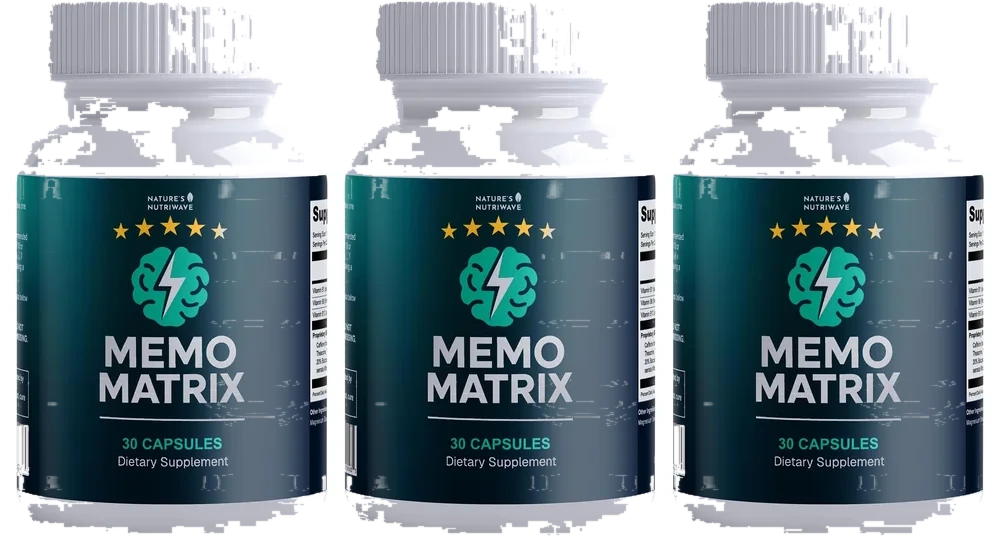
See the ingredients and their doses, in the open
Memo Matrix pairs bacopa monnieri, huperzine A, L-tyrosine and Rhodiola with a green-coffee energy blend — every ingredient and amount published so you can check it against the studies above.
Compare the Memo Matrix LabelHow long until memory pills show results?
This is where most people quietly give up on a product that might actually have helped. For the ingredients with the best evidence, the honest timeline is weeks, not minutes. Bacopa monnieri only separated from placebo in studies that ran 8 to 12 weeks; shorter trials tended to find nothing at all. That means taking it for a week, feeling no obvious change, and abandoning the bottle is a near-guaranteed way to conclude "memory pills don't work" while never having given the one ingredient that does have evidence a fair test.
Stimulant ingredients muddy this, and marketers know it. Caffeine acts within an hour, and the alert, switched-on feeling it produces is easy to mistake for a memory effect. It isn't one. It is arousal and attention, which help you encode information in the first place, but the bottle that makes you feel something in twenty minutes is almost always leaning on a stimulant, not on the slow-acting compounds that touch memory itself. If a product promises overnight results, it is describing a sensation, not a cognitive improvement — and usually selling you the sensation.
The practical takeaway: commit to a proper trial or don't bother. Give an evidence-based formula a consistent two to three months, keep everything else stable so you can actually judge it, and set expectations at "modest and gradual." That is roughly the shape of the better trials: the citicoline trial in healthy older adults (The Journal of Nutrition, 2021) ran twelve weeks and reported an improvement measured on a test, not a transformation people described.
Memory pill red flags: how to spot a scam
Most of the money wasted in this category is lost to a handful of repeatable tricks. Learn them once and you become very hard to fool.
Instant-results and "miracle" claims. Genuine memory ingredients act slowly. Any headline promising a photographic memory in days, a "limitless pill," or an overnight IQ jump is selling a story. The bigger and faster the promised transformation, the less real evidence is usually behind it.
Undosed proprietary blends. This is the big one. A "proprietary blend: 900 mg" line lets a company list an impressive-sounding ingredient without telling you how much is inside. In practice, blends often front-load the cheap fillers and add a fairy-dust sprinkle of the star ingredient — far below the amount that worked in trials. If a label won't show you the milligrams of each active ingredient, you cannot compare it to the research, which is exactly the point of hiding them.
Disease claims. Legitimate supplements support healthy cognition. They do not "treat," "cure," "reverse" or "prevent" memory loss, dementia or Alzheimer's, and any product using that language is both misleading and, in the United States, breaking the rules that govern how supplements may be described.
Manufactured social proof. Before-and-after brain scans, invented "as seen on" logos, fake countdown timers, and celebrity endorsements the celebrity has never heard of are all classic tells — as are reviews that all read in the same breathless voice.
Two myths worth clearing up
"If they were on a shelf, they must work." Not so. Dietary supplements are not required to prove effectiveness before sale the way drugs are. Being available, even at a pharmacy, tells you nothing about whether the formula was ever tested. That is not a reason to distrust everything — it is a reason to judge the label, not the packaging.
"Natural means it does nothing / natural means it's harmless." Both halves are wrong. Some botanical ingredients are pharmacologically active enough to shift real biochemistry, which is the whole point of taking them — and that same activity is why huperzine A can interact with medicines and why caffeine content matters if you are sensitive or take it late in the day. "Natural" is a marketing word, not a safety guarantee and not a synonym for "weak." Read the ingredients and the doses; that is what actually tells you what a product will and won't do.
There is a third, quieter objection worth naming: "aren't these just expensive placebos?" For many products, honestly, yes — but a placebo effect is not the same thing as a bacopa effect measured against placebo in a controlled trial. Buy on disclosed, evidence-backed ingredients at studied doses and you are paying for the ingredient, not the story.
Where a memory pill genuinely fits
Put together, a sensible position emerges. A memory pill is not magic, and it is not a fraud. For a healthy adult who wants a modest edge on focus and recall, a formula built on evidence-backed ingredients at honest doses is a reasonable, low-drama thing to try — provided the expectations are set at "gradual and moderate," and provided it sits on top of the boring fundamentals rather than replacing them. Sleep, physical activity, managing blood pressure and blood sugar, staying socially and mentally engaged, and not smoking carry more evidence for long-term brain health than any capsule ever will. For an older reader already juggling several prescriptions, add one more filter: our pill-burden review of brain supplements for elderly users explains why capsule count and swallowability decide whether any of it gets taken.
This is also the frame in which a product like Memo Matrix earns or loses your trust. It is a nootropic built around bacopa monnieri, Rhodiola, L-tyrosine and huperzine A with a green-coffee caffeine blend, and the thing that matters is not the marketing copy but whether the label shows you each amount so you can hold it against the studies. If you want that side-by-side, our full Memo Matrix review of whether it actually works does exactly that, and it is worth reading before you buy anything. It is also worth being clear-eyed that supplements are one small lever among several, and the ones you eat matter too — we cover the vitamins for memory that genuinely have evidence in a companion guide.
The one mistake to avoid is the costly one. If you or someone you care about is experiencing genuine, persistent memory loss, confusion or a noticeable decline, that is a medical situation and no memory pill is the answer. See a clinician — the most valuable thing a good check-up can find is often something entirely treatable that a bottle would have masked.
Medical note: this article is general information, not medical advice. Speak to a healthcare professional before starting any supplement, especially if you are pregnant, nursing, caffeine-sensitive, or taking medication — huperzine A in particular is pharmacologically active and can interact with several drugs. No supplement diagnoses, treats, cures or prevents any disease.
Frequently asked questions
Do memory pills actually work?
Some do, modestly, and only a few. A small number of memory pill ingredients have human trial support, with bacopa monnieri the best studied, but the effects are gradual and subtle rather than dramatic. Most products on the market lean far more on marketing than on evidence, mixing one or two researched ingredients with a long list of unproven ones. No memory pill treats, cures or prevents memory loss, and any that promises to is misleading you.
Which memory pill ingredients are backed by research?
Bacopa monnieri has the most consistent randomised controlled trial support for memory, taken at roughly 300 mg a day of a bacoside-standardised extract over 8 to 12 weeks. Huperzine A has a plausible acetylcholine mechanism and clinical data mainly in cognitive decline. Citicoline has supporting data for attention and memory in some populations. Caffeine and L-tyrosine help short-term alertness and performance under stress. Most other ingredients in memory blends have limited or mixed human evidence at the doses typically used.
How long until memory pills show results?
For the ingredients with the best evidence, weeks rather than minutes. Bacopa monnieri only separated from placebo in trials that ran 8 to 12 weeks, and shorter studies generally found nothing, so judging it after a few days tells you almost nothing. Stimulant ingredients such as caffeine act within an hour but that is alertness, not memory. Any product promising instant or overnight memory improvement is describing marketing, not pharmacology.
How can I avoid memory pill scams?
Be wary of instant-results claims, before-and-after brain scans, fake celebrity endorsements and disease claims about curing or reversing memory loss. Avoid proprietary blends that hide individual doses, because they let a product list an impressive ingredient at a token, sub-clinical amount. Look instead for a fully disclosed label with amounts you can compare against published studies, a clear returns policy, and honest language about modest, gradual support rather than miracles.
Scientific references
- Kongkeaw C. et al. — Meta-analysis of randomized controlled trials on cognitive effects of Bacopa monnieri extract, Journal of Ethnopharmacology (2014)
- NIH NCCIH — Cognitive function, dementia and dietary supplements
- Cochrane Database of Systematic Reviews — Huperzine A for Alzheimer's disease and cognitive function
- Yang G. et al. — Huperzine A for Alzheimer's disease: a systematic review and meta-analysis of randomized clinical trials, PLoS One (2013)
- U.S. Food & Drug Administration — Questions and answers on dietary supplements
- Nakazaki E. et al. — Citicoline and memory function in healthy older adults: a randomized, double-blind, placebo-controlled clinical trial, The Journal of Nutrition (2021)
- Federal Trade Commission — Health products compliance guidance
Related reading
Memory pills, without the hype
Bacopa, Rhodiola, L-tyrosine and huperzine A with a green-coffee energy blend — every dose disclosed, so you can weigh it against the studies rather than the sales page.
View Memo Matrix Options