Brain Fog Supplements: What Actually Works
Which brain fog supplements actually work?
The brain fog supplements with real evidence are citicoline for attention and processing speed, creatine for working memory and mental endurance, caffeine paired with L-theanine for focused alertness without jitters, and lion's mane, which improved cognition in older adults at 3 grams a day for 16 weeks. Fix sleep and stress alongside any of them.
- Same-day clarity: caffeine plus L-theanine for focus without the crash.
- Under load: creatine for working memory when you are sleep-deprived or stressed.
- Non-negotiable: address sleep debt and stress, the real engines of fog.
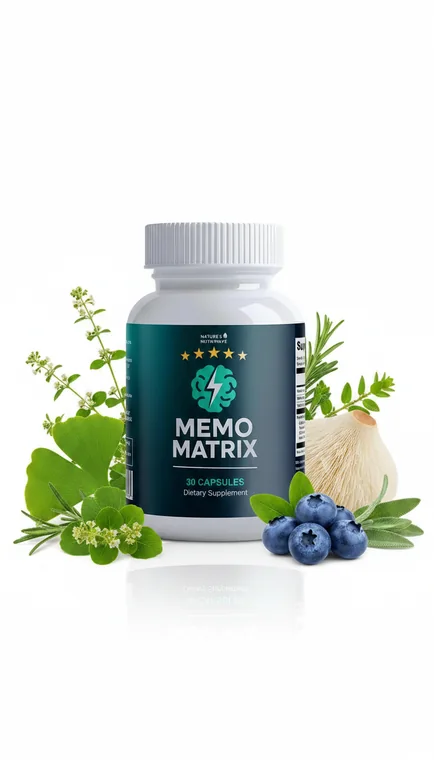
Brain fog is that maddening sense of thinking through wet cotton wool: words on the tip of your tongue, a to-do list you keep re-reading, a meeting that ends with you unsure what was said. It is real, it is common, and it sends a lot of people searching for brain fog supplements that promise to switch the lights back on. Some of those products are worth your money. Many are not. The difference comes down to whether an ingredient has been tested in people for the exact thing you want, clearer thinking, or whether it is riding on a vague reputation.
This guide does two things. First, it is honest about what causes brain fog, because the cause dictates the fix and most fog is not a supplement problem at all. Second, it walks through the brain fog supplements that have genuine human evidence behind them, separating the fast-acting from the slow-building so you can set realistic expectations. By the end you will know which levers move the needle, which are oversold, and how a well-built formula fits alongside the basics rather than pretending to replace them.
What actually causes brain fog, and why that decides the fix
The uncomfortable truth about brain fog supplements is that the biggest wins usually come before you buy one. Brain fog is a symptom with a short list of usual suspects, and identifying yours is worth more than any capsule. Sleep debt is the heavyweight: even a couple of short nights measurably slow reaction time, working memory and attention, and no supplement out-runs a genuine sleep deficit. Chronic stress is next, flooding the system with cortisol and hijacking the mental bandwidth you need for clear thought. After those come nutrient gaps such as low B12 or iron, dehydration, the aftermath of illness, blood-sugar swings, alcohol, and the side effects of some medications.
This matters because it sets the order of operations. If your fog is manufactured by three nights of four-hour sleep, the highest-return intervention is sleep, full stop, and a supplement layered on top is polishing a problem you have not solved. The most effective way to use brain fog supplements is as support for the clarity gap that remains once you have addressed the obvious drivers, or as a same-day tool for days when the basics are handled but you still need to perform. Used that way they earn their place. Used as a substitute for rest, they disappoint almost every time.
Citicoline: attention and processing speed
Among brain fog supplements aimed at clarity, citicoline (also sold as CDP-choline) has some of the more encouraging human data. Citicoline is a compound the body uses to make phosphatidylcholine, a building block of cell membranes, and it feeds into the production of acetylcholine, the neurotransmitter central to attention and learning. In controlled studies, citicoline has been associated with improvements in attention and processing speed, the exact faculties that feel dulled during a foggy stretch, including in healthy adults and not only in clinical populations.
What makes citicoline appealing for fog specifically is that it targets the "slow to load" feeling rather than just raising raw energy. It is not a stimulant, so it will not give you a caffeine-style lift, and its effects are better described as steadier attention than as a jolt. It sits somewhere between the same-day and slow-building categories: some people notice a difference within days, while the research designs generally run over weeks. As with everything here, dose and form matter, and a product that lists its citicoline amount plainly is telling you something a proprietary blend hides. The clearest human result comes from a randomised, placebo-controlled trial of citicoline in healthy older adults (The Journal of Nutrition, 2021).
Creatine: working memory and mental endurance under load
Creatine has an image problem: most people file it under gym supplements and stop there. That is a mistake for anyone interested in brain fog supplements, because the brain is an energy-hungry organ and creatine is fundamentally about energy supply. Creatine helps regenerate ATP, the cellular energy currency, and the brain stores its own creatine. The interesting finding for fog is that creatine's cognitive benefits show up most clearly when the brain is under strain, precisely the state that produces fog. Research suggests support for working memory and mental endurance especially in people who are sleep-deprived, stressed or otherwise depleted, and in groups such as vegetarians who take in less creatine from food. A 2024 Scientific Reports trial found a single high dose partly offset the cognitive decline caused by a night without sleep, which is a narrower claim than the marketing usually makes.
The practical appeal is that creatine is one of the most studied, most affordable and best-tolerated supplements in existence, with a safety record built over decades in sports science. It builds up in tissue over days to weeks rather than acting on the same day, so it belongs in the slow-building column, and it is not a quick fix for an acute foggy afternoon. But as a background support that makes the brain more resilient when you are running on empty, it has a stronger, cheaper evidence base than most of the exotic ingredients that dominate brain fog marketing.
Prefer one disclosed formula over a shelf of single bottles?
If you would rather not stack four products and track four doses, start with a formula that publishes each ingredient and amount. Memo Matrix pairs studied actives for focus and clarity on one transparent label.
Check Availability & OptionsCaffeine plus L-theanine: focused alertness without the jitters
If there is a single fast-acting answer in the brain fog supplements category, it is the caffeine and L-theanine pairing. Caffeine you already know: it raises arousal, blocks the adenosine that makes you feel mentally sluggish, and lifts the fog for a while. Its downside is the familiar tax of jitters, a racing pulse, anxiety and an eventual crash. L-theanine, an amino acid from tea leaves, is the counterweight. It promotes a relaxed but alert state and takes the sharp edges off caffeine, so the combination delivers focused alertness with far less of the wired, jittery feeling. This is the most reliable same-day tool on the list, typically noticeable within thirty to sixty minutes, which is exactly what a foggy mid-afternoon calls for.
Because it acts so quickly and so predictably, the pairing is a genuine short-term lever. The caveat is the same one that runs through this whole article: it is fantastic at masking the symptom and does nothing about the cause. Reaching for it every afternoon to paper over chronic under-sleeping just buries the signal your body is sending. Used on top of decent sleep, it is a smart, well-evidenced boost. We break down the exact ratio and same-day use in our dedicated guide to the L-theanine and caffeine stack for calm, focused energy, which is worth reading if this is the lever you want to pull most often.
Lion's mane: a slow-building option with a real trial
Lion's mane, a culinary and medicinal mushroom, is one of the few "trendy" brain fog supplements with a specific human study worth citing rather than hand-waving. In a controlled trial, older adults taking 3 grams a day for 16 weeks showed improved scores on a cognitive scale compared with placebo, with the benefit tending to fade after supplementation stopped. That is a real, if modest, result, and it firmly places lion's mane in the slow-building category. The single study everything rests on is Mori and colleagues in Phytotherapy Research (2009), a double-blind trial of 3 grams a day for 16 weeks in older adults with mild cognitive impairment. It is not a same-day clarity switch, and the enthusiastic claims that outrun that single study should be treated with the usual scepticism.
The honest read is that lion's mane is a reasonable long-horizon experiment for someone willing to commit for several months and to judge it on cognition rather than on how they feel by the weekend. It also underlines a theme worth internalising: the ingredients with real evidence tend to work on a timescale, not a stopwatch, and the marketing that promises an overnight transformation is usually selling the timescale it does not have.
How the leading brain fog supplements compare
The table sorts the main options by how fast they act and what the human evidence actually supports.
| Supplement | Best for | Speed | Evidence strength |
|---|---|---|---|
| Caffeine + L-theanine | Focused alertness without jitters | Same day (30–60 min) | Strong for immediate focus |
| Citicoline | Attention and processing speed | Days to weeks | Moderate, human trials |
| Creatine | Working memory and endurance under strain | Days to weeks (loads in tissue) | Moderate, strongest when depleted |
| Lion's mane | Longer-term cognition | Weeks (16-week study) | Emerging, one notable trial |
| Sleep and stress fixes | The underlying cause of most fog | Varies | Strongest of all |
Brain fog supplements are best understood as amplifiers, not engines. They can turn up clarity you already have the foundations for. They cannot generate it from a body that is chronically short of sleep.
Two myths that keep people foggy
Myth one: a strong enough supplement can replace sleep. It cannot, and believing it can is the single most expensive mistake in this category. Caffeine masks tiredness; it does not deliver the restorative work sleep does, and stacking stimulants to power through a sleep deficit tends to worsen the fog over the following days. No brain fog supplement has ever beaten a full night's rest in a fair fight. If your interest is the inflammation angle specifically, we look at what omega-3 and curcumin can and cannot do about brain inflammation separately.
Myth two: if it worked instantly, it must be the real thing. Speed and evidence are not the same axis. The fastest option here, caffeine with L-theanine, is well-evidenced, but so is slow-building creatine, and the mushroom with a real trial takes 16 weeks to show its hand. Judging a supplement solely by whether you "feel something" in an hour biases you toward stimulants and away from ingredients whose benefit is cumulative and quiet. Match your expectation of speed to the ingredient, not the other way round.
How a combined formula fits with the basics
Once you have addressed sleep and stress, there is a fair argument for a single, disclosed formula rather than a cupboard of single-ingredient bottles. The appeal is practical: one label, one routine, actives chosen to cover both the same-day focus lever and the slower cumulative support, without the friction of measuring four powders every morning. The risk is that a combined product hides its doses in a proprietary blend, which is exactly what you should refuse. A formula earns trust by publishing every amount so you can check each active against its own research.
That is the lens to apply to Memo Matrix as much as to anything else. If you are weighing a stack against a formula, our nootropic supplement buyer's guide lays out how to read a label without being fooled by clever packaging, and the ingredient breakdown on our Memo Matrix page shows each component and the state of its evidence in the open, including where that evidence is thin. The point is not that a formula is automatically better than a stack, but that whichever route you choose, transparency and the sleep-and-stress foundation are non-negotiable.
Medical note: persistent or worsening brain fog can signal an underlying medical issue, from thyroid problems to sleep apnoea, anaemia or medication side effects, and deserves a doctor's assessment rather than a supplement. This article is general information, not medical advice. Talk to a healthcare professional before starting any supplement, especially if you are sensitive to caffeine, pregnant, nursing or taking medication.
Related reading
Frequently asked questions
What supplements help with brain fog?
The brain fog supplements with the best evidence are citicoline, which supports attention and processing speed; creatine, which helps working memory and mental endurance, especially when you are tired; the caffeine and L-theanine pairing, which gives focused alertness without the jitters; and lion's mane, where 3 grams a day for 16 weeks improved cognition in older adults. None of them replaces fixing sleep and stress, which drive most fog in the first place.
What causes brain fog and can supplements fix it?
Brain fog is a symptom, not a diagnosis, and the most common drivers are sleep debt, chronic stress, nutrient gaps, dehydration, illness recovery and certain medications. Because the cause is usually behavioural or medical, supplements work best as support rather than a cure. If your fog comes from three nights of poor sleep, a capsule cannot out-run that. Correct the underlying driver first, then use a supplement to help with the residual clarity gap.
How fast do brain fog supplements work?
It depends on the ingredient. Fast-acting actives such as caffeine paired with L-theanine can produce noticeable focus within thirty to sixty minutes on the same day. Slow-building ingredients such as lion's mane, bacopa and to some extent citicoline are studied over weeks, with the lion's mane cognition trial running to 16 weeks. A realistic plan uses a same-day active for immediate clarity and a slow-building one for cumulative support.
Is caffeine plus L-theanine good for brain fog?
It is one of the best-evidenced options for the alertness side of brain fog. Caffeine raises arousal and reduces the sense of mental sluggishness, while L-theanine smooths the edges so you get focused alertness without the jitters, racing heart or crash that caffeine alone can cause. The pairing is fast-acting and same-day, which makes it a sensible tool for foggy afternoons, provided you are not simply masking a need for sleep.
Scientific references
- NIH NCCIH — Cognitive function, dementia and dietary supplements
- Mori K. et al. — Improving effects of the mushroom Yamabushitake (Hericium erinaceus) on mild cognitive impairment: a double-blind placebo-controlled clinical trial, Phytotherapy Research (2009)
- Nakazaki E. et al. — Citicoline and memory function in healthy older adults: a randomized, double-blind, placebo-controlled clinical trial, The Journal of Nutrition (2021)
- Gordji-Nejad A. et al. — Single dose creatine improves cognitive performance and induces changes in cerebral high energy phosphates during sleep deprivation, Scientific Reports (2024)
- Roschel H. et al. — Creatine supplementation and brain health, Nutrients (2021)
- Owen G.N. et al. — The combined effects of L-theanine and caffeine on cognitive performance and mood, Nutritional Neuroscience (2008)
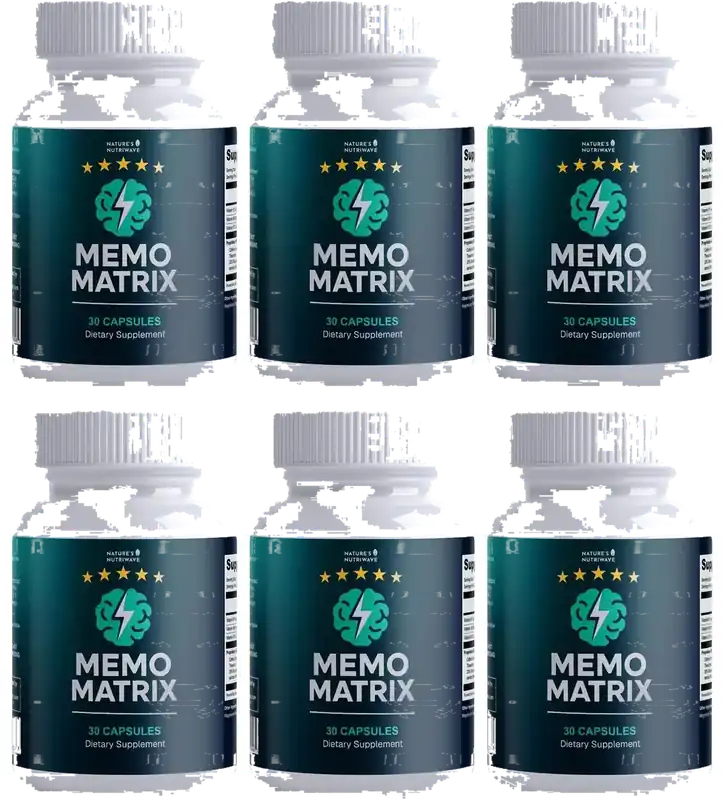
See a clarity-focused formula with its numbers on the label
Bacopa, Rhodiola, L-tyrosine and Huperzine-A with a green-coffee energy blend, every ingredient and amount published rather than buried in a blend.
View Memo Matrix Options