Best Memory Supplement 2026: How to Choose One That Actually Discloses Its Doses
Quick Answer: What Is the Best Memory Supplement in 2026?
The best memory supplement in 2026 is a transparent-dose formula whose label shows the exact amount of each active, backed by third-party testing. Prioritise bacopa monnieri, the most consistent memory ingredient in randomised trials, alongside citicoline and huperzine A, and give it eight to twelve weeks. Avoid proprietary blends that hide sub-clinical doses.
- Transparency first: every ingredient's milligram amount should be printed, not buried in a blend.
- Bacopa leads on evidence: the most consistent memory RCT results, built over 8–12 weeks.
- Verify quality: third-party testing confirms the label matches the capsule.
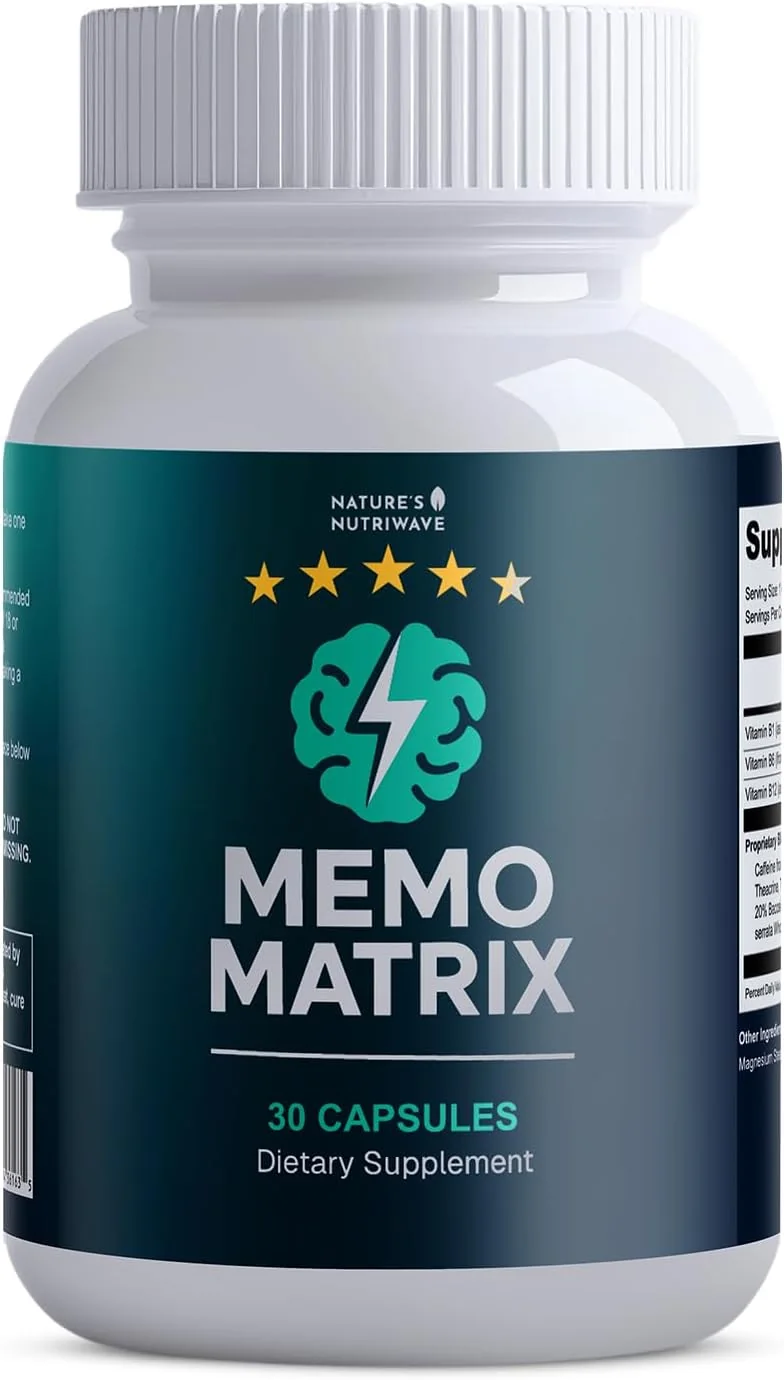
Choosing the best memory supplement in 2026 is less about finding a secret ingredient and more about refusing to buy a mystery. The shelves are full of confident bottles, but the difference between a formula that can plausibly help your recall and one that simply looks the part is printed on the back panel, in the doses, and in whether an independent lab has confirmed the contents. This guide compares memory supplements the way a careful buyer should: on dose transparency, on third-party testing, and on realistic timelines, so you avoid the underdosed proprietary blends that dominate the category.
Why Dose Transparency Is The First Filter
Two bottles can carry identical ingredient names on the front and be worlds apart in what they actually deliver. The reason is dosing. An ingredient works at the amount used in the studies that made it famous, not at the amount that fits neatly beside eleven others in a single capsule. When a label lists each active with its milligram figure, you can do the one check that matters: compare the amount in the product with the amount the research used. When a label hides those figures, that check becomes impossible, and impossible-to-check is the same as unverifiable.
This is why transparency, not the length of the ingredient list, is the first filter for the best memory supplement. A short panel of studied actives at disclosed, in-range doses tells you more than a sprawling list of botanicals whose individual amounts are secret. Front-of-bottle marketing is written to impress; the back panel is where a product either backs itself up or quietly declines to.
The Proprietary Blend Trap
The most common way memory supplements dodge that check is the proprietary blend. On the label it looks legitimate: a named blend followed by a single combined weight, say 900 mg, covering five or six ingredients at once. What it never tells you is how those 900 milligrams are split. A brand can feature a headline active such as bacopa or citicoline in the blend name, then include only a token trace of it while cheap fillers make up the bulk of the weight. You see the impressive name; you never see the sub-clinical dose.
Legally, blends are permitted, and a few have a defensible reason to protect a specific ratio. In practice, in this category, an opaque blend is usually a way to imply potency without paying for it. The safest rule is simple: if you cannot see the individual dose of each ingredient, treat the product as if the studied actives are underdosed until proven otherwise, because that is the outcome the structure is designed to allow.
The Ingredients That Earn Their Place
Once you can read the doses, the question becomes which ingredients deserve to be there. A handful carry the real memory evidence.
Bacopa monnieri is the anchor. It has the most consistent memory evidence of any common supplement ingredient, with randomised controlled trials showing gains in recall and in the rate of learning new material. The trials that matter ran over roughly eight to twelve weeks of daily use, which sets an honest expectation for the timeline. If a memory formula is serious, bacopa at a disclosed, in-range dose is close to non-negotiable, and our detailed look at the memory evidence for bacopa monnieri and huperzine A walks through the studies.
Citicoline supplies choline and cytidine that the brain uses to build cell membranes and acetylcholine. A 2021 systematic review of human studies found citicoline, including the branded Cognizin form, improved attention and processing speed, which supports memory indirectly by improving the encoding of information in the first place.
Huperzine A works by slowing the breakdown of acetylcholine, a neurotransmitter central to learning and memory. It is potent at small doses and belongs in a formula used conservatively and cyclically rather than lavishly, which is another reason you want its exact amount printed rather than hidden. A systematic review and meta-analysis of randomised trials in PLoS One (2013) found the clinical signal for huperzine A comes almost entirely from studies in cognitive decline, not from healthy adults.
Beyond these, ingredients such as rhodiola and L-tyrosine earn a place for supporting focus and performance under stress, which helps you learn and recall when it counts, even though their case is about mental state rather than memory storage directly.
A Memory Formula With Nothing Hidden
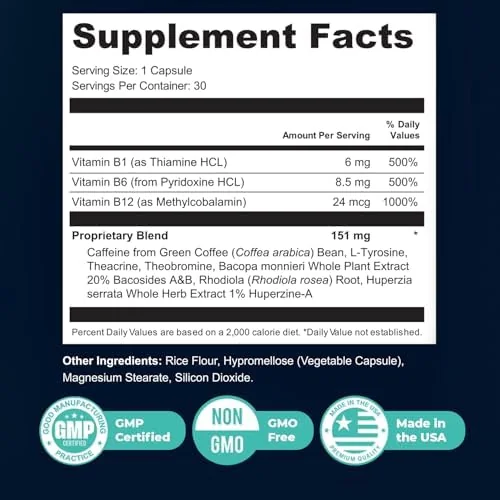
Memo Matrix prints bacopa monnieri, rhodiola, L-tyrosine and huperzine A with their amounts rather than folding them into a blend, so you can compare every dose with the research before you commit to a course.
See the Memo Matrix DosesThird-Party Testing: Trust, Then Verify
A transparent label is a promise; third-party testing is the receipt. Because supplements are regulated more lightly than medicines, independent lab analyses have repeatedly turned up products that were underdosed, contaminated with heavy metals, or did not contain what the label claimed. Third-party testing means a lab with no stake in the sale checks each batch for purity and confirms that the actual content matches the printed doses.
For a memory supplement, this closes the loop opened by transparency. It is one thing for a label to claim a clinically relevant dose of bacopa; it is another for an independent test to confirm that dose is really in the capsule and that nothing unwanted came along with it. Alongside third-party testing, insist on GMP-certified, FDA-registered manufacturing, which governs how consistently the product is made in the first place. Together they turn a good-looking label into a trustworthy one.
Realistic Timelines: Why Patience Is Part Of The Product
One of the most common reasons people abandon a memory supplement is that they judge it in week one. That is the wrong test for the ingredients that actually matter. Bacopa's benefits accrue over eight to twelve weeks, because it works through gradual changes rather than an immediate hit. Any product built on bacopa is a two-to-three-month commitment by design, and a brand that implies overnight transformation is misreading its own evidence.
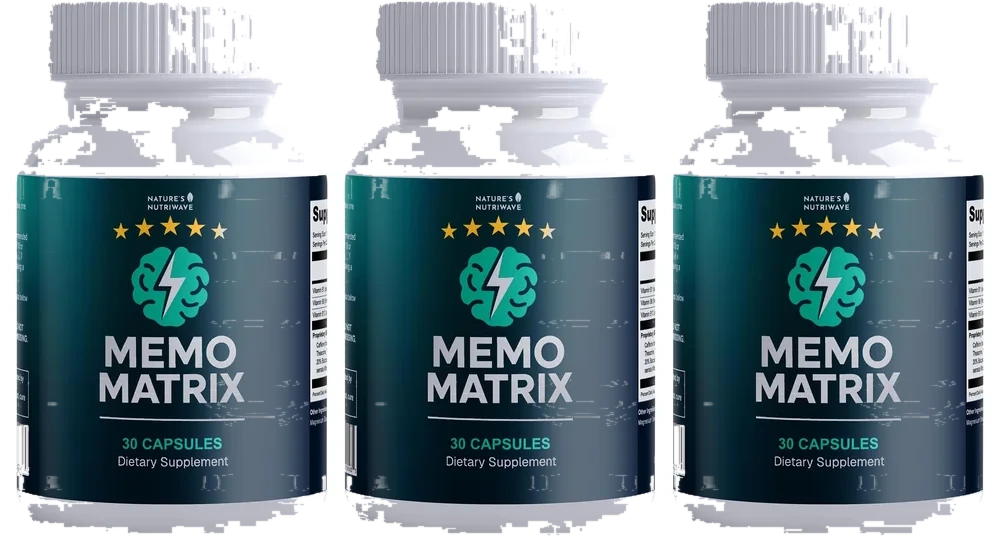
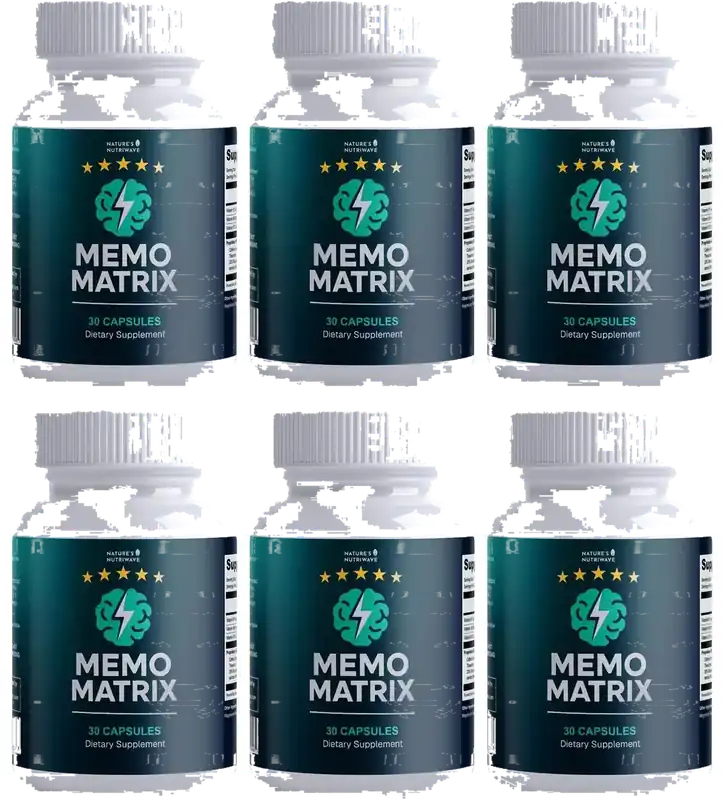
Some formulas also fold in same-day focus ingredients, and you may notice those sooner, which is useful but should not be mistaken for the memory effect building underneath. The honest framing is that a memory supplement is a slow instrument. If you are not prepared to give it a consistent daily run of at least eight weeks, you will not learn anything reliable about whether it works for you. Buying a multi-bottle supply is less about saving money than about giving the formula the runway its evidence requires.
| What to check | Green flag | Red flag |
|---|---|---|
| Dosing | Each ingredient listed with its milligram amount | Combined weight for a "proprietary blend" |
| Lead ingredient | Bacopa monnieri at an in-range, studied dose | Trendy botanicals, no bacopa or a token amount |
| Quality proof | Third-party tested, GMP, FDA-registered facility | No testing or manufacturing detail disclosed |
| Timeline honesty | Sets an 8–12 week expectation | Promises overnight or instant memory gains |
| Claims | Supports memory, focus, learning | Claims to treat, cure or reverse disease |
A memory supplement you cannot verify is not a bargain at any price. Transparency, testing and time are the three things worth paying for.
Common Objections, Answered Honestly
"If it's on the shelf, the doses must be fine." They often are not. Retail placement says nothing about whether a formula matches trial doses, and the proprietary-blend structure exists precisely so a product can look complete while underdosing its actives. Reading the panel is your job, not the shelf's. For a worked example of what that reading looks like on a real product, see our line-by-line walk through the Memo Matrix Supplement Facts panel.
"A longer ingredient list means a better supplement." Usually the opposite. Fitting more names into one capsule generally means smaller amounts of each, so a fourteen-ingredient blend is more likely to be underdosed than a focused formula built around a few studied actives at real amounts.
"Memory supplements don't do anything." That is too strong. The effects are modest and specific rather than dramatic, but bacopa's recall gains and citicoline's attention benefits are real findings in human trials. The disappointment usually comes from underdosed products and week-one judgements, not from the ingredients themselves. Choose a transparent, properly dosed formula and give it time, and you are testing the science rather than the marketing — eight to twelve weeks being the window used by the trials pooled in the Journal of Ethnopharmacology meta-analysis of bacopa monnieri (2014).
Health note: this article is general information, not medical advice. A memory supplement does not treat, cure or prevent dementia or any other condition. Persistent memory changes should be assessed by a doctor. Speak to a clinician or pharmacist before starting any supplement, especially if you are pregnant or nursing, sensitive to caffeine, or taking medication.
How To Choose In Five Minutes
Turn the bottle over and run the checklist. Are individual doses printed, or is there a proprietary blend? Is bacopa monnieri present at an amount close to what trials used? Is there evidence of third-party testing and GMP-certified, FDA-registered manufacturing? Does the marketing set an honest eight-to-twelve-week expectation, or promise the impossible? A memory supplement that passes all four is worth a proper two-to-three-month trial; one that fails any of them is a pass, no matter how good the front label looks.
Memo Matrix is one transparent-dose example built to survive that checklist, pairing bacopa and huperzine A for memory with rhodiola and L-tyrosine for focus and stress performance, all listed with their amounts. If you want the wider view of what a strong 2026 formula looks like, read our companion best brain supplements 2026 buyer's guide, and if you are weighing single nutrients too, our overview of the vitamins for memory that actually have evidence is a useful next step.
Related reading
Frequently asked questions
What is the best memory supplement for adults in 2026?
The best memory supplement for adults in 2026 is a transparent-dose formula that prints the exact amount of every active and is backed by third-party testing, built around ingredients with real memory research such as bacopa monnieri, citicoline and huperzine A. Rather than trusting a proprietary blend, you should be able to read each milligram on the label and compare it with the doses used in trials, then give the formula eight to twelve weeks.
How long before a memory supplement starts working?
Most of the memory benefit from well-studied ingredients builds slowly. Bacopa monnieri, the most consistently supported memory active, has shown recall and learning gains over roughly eight to twelve weeks of daily use rather than in the first few days. Some formulas also include same-day focus ingredients you might notice sooner, but genuine memory support is a slow build, so plan for at least two to three months before judging results.
What ingredients should the best memory supplements contain?
Look for bacopa monnieri, which has the most consistent memory evidence from randomised trials, plus citicoline for attention and processing speed and huperzine A to support acetylcholine. These are ingredients with human research behind them, and they should appear at disclosed, clinically relevant doses. A long list of unfamiliar botanicals at hidden amounts is less valuable than a short list of studied actives you can actually verify on the label.
Are proprietary blend memory supplements worth buying?
Proprietary blends are usually best avoided, because they list a single combined weight for several ingredients without telling you how much of each is inside. That structure lets a brand feature an impressive-sounding active while including only a sub-clinical trace of it. If you cannot see the individual dose of each ingredient and compare it with the research, you cannot judge whether the memory supplement can actually do what its label implies.
Scientific references
- Kongkeaw C. et al. — Meta-analysis of randomized controlled trials on cognitive effects of Bacopa monnieri extract, Journal of Ethnopharmacology (2014)
- Nakazaki E. et al. — Citicoline and memory function in healthy older adults: a randomized, double-blind, placebo-controlled clinical trial, The Journal of Nutrition (2021)
- Yang G. et al. — Huperzine A for Alzheimer's disease: a systematic review and meta-analysis of randomized clinical trials, PLoS One (2013)
- Yeung L.K. et al. — Multivitamin supplementation improves memory in older adults: a randomized clinical trial, American Journal of Clinical Nutrition (2023)
- NIH Office of Dietary Supplements — fact sheets
- U.S. FDA — dietary supplements and labelling
- U.S. FDA — current good manufacturing practices for dietary supplements
Give A Transparent Formula The Time It Needs
Bacopa, rhodiola, L-tyrosine and huperzine A with a green-coffee energy blend, every amount published so you can judge the doses and commit to a proper eight-to-twelve-week run.
View Memo Matrix Options